

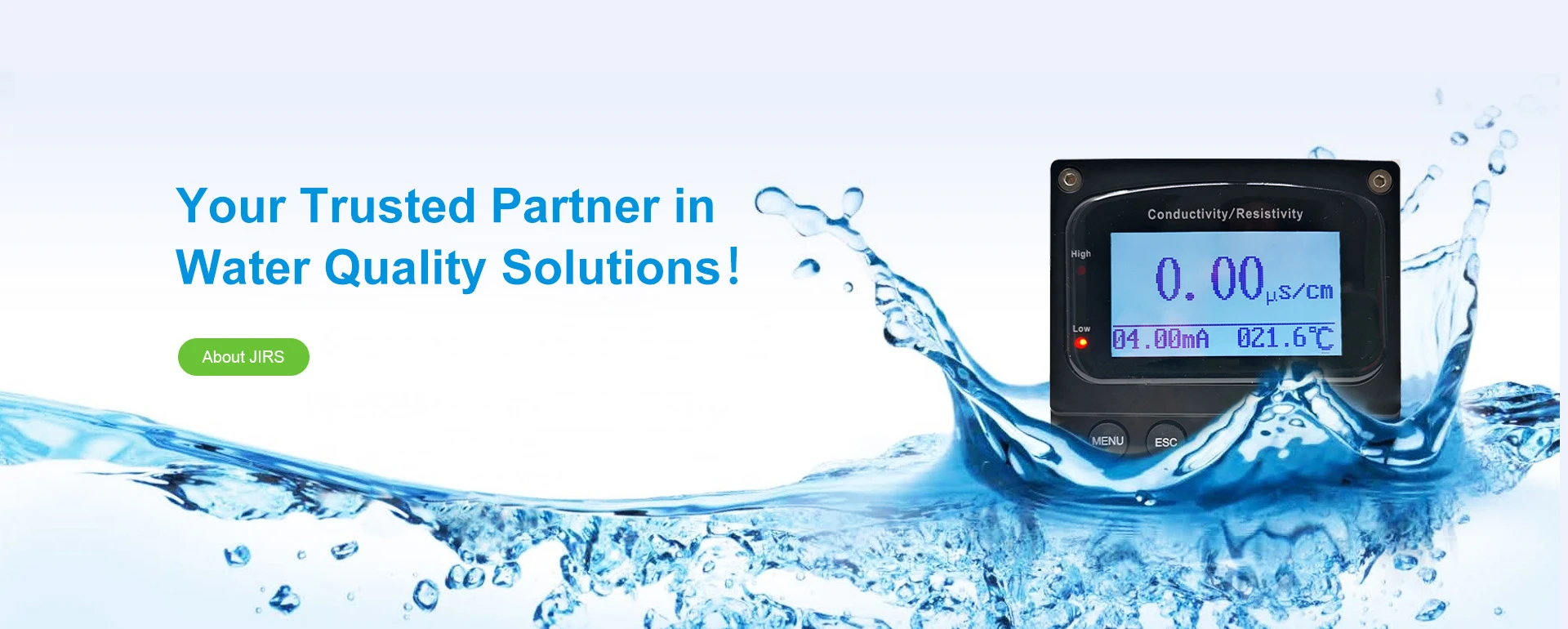
Ensures the high precision,high steady and high efficiency of our machines
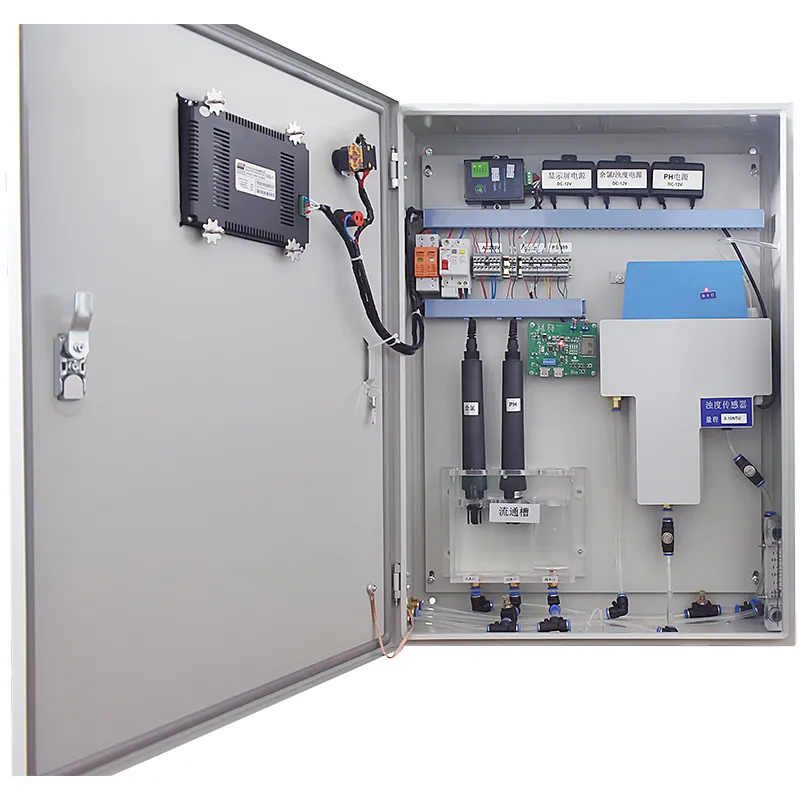
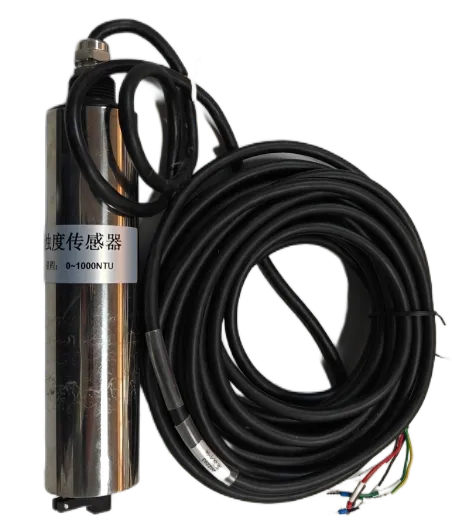
conductivity of salt water
Navigating the Complexities of Water Quality: An In-depth Look at the YD-6850 Online Salinity Transmitting Controller In today's rapidly industrializing world, the meticulous management of water quality stands as a paramount concern across a multitude of sectors, ranging from municipal water treatment and agriculture to highly specialized industrial processes like power generation, petrochemicals, and pharmaceuticals. Salinity, specifically the concentration of dissolved salts in water, is a critical parameter that significantly impacts operational efficiency, equipment longevity, and the overall quality of end products or treated effluents. Uncontrolled salinity levels can lead to severe issues such as scaling in pipes and heat exchangers, corrosion of valuable assets, degradation of sensitive biological processes, and non-compliance with environmental discharge regulations, incurring substantial financial penalties and reputational damage. The demand for precise, real-time salinity monitoring and control solutions has therefore intensified, pushing the boundaries of technological innovation in the field of analytical instrumentation. Industries are increasingly seeking robust, reliable, and intelligent systems capable of providing continuous data streams, enabling proactive intervention and optimized resource utilization. This paradigm shift from manual, batch sampling to continuous online monitoring is driven by the need for enhanced operational safety, reduced downtime, and improved process control. The global push for sustainable water management practices, coupled with stricter environmental policies, further underscores the indispensability of advanced salinity monitoring tools. Against this backdrop, the YD-6850 Online Salinity Transmitting Controller emerges as a pivotal innovation, designed to address these complex challenges head-on. It represents a confluence of advanced sensor technology, intelligent data processing, and user-friendly interface design, offering an unparalleled solution for industries where precise salinity control is non-negotiable. Its capabilities extend beyond mere measurement, providing comprehensive control functionalities that can be seamlessly integrated into existing SCADA or DCS systems, transforming raw data into actionable insights, and fostering a proactive approach to water management. This detailed exploration delves into the sophisticated engineering and strategic importance of the YD-6850 , examining its technical prowess, diverse applications, and the inherent advantages it confers upon its users, especially in demanding environments where accuracy and durability are critical. We will navigate through the intricate manufacturing processes that contribute to its exceptional reliability, explore its adherence to stringent international standards, and present a compelling case for its adoption through a thorough analysis of its features, benefits, and real-world impact. This article serves as a comprehensive resource for B2B decision-makers, engineers, and technical personnel who are tasked with ensuring optimal water quality and operational excellence within their respective domains, providing the expertise, experience, authority, and trustworthiness required to make informed strategic investments in critical infrastructure. The emphasis throughout will be on how the YD-6850 not only meets but exceeds the contemporary demands of industrial water quality management, setting a new benchmark for performance and reliability in a field where precision can dictate success or failure and where downtime translates directly to significant financial losses. Industry Trends and the Evolving Landscape of Salinity Monitoring The industrial landscape is constantly evolving, driven by technological advancements, stricter regulatory frameworks, and an increasing awareness of environmental stewardship. In the realm of water quality management, several key trends are shaping the future of salinity monitoring, making solutions like the YD-6850 indispensable. Firstly, there is a clear shift towards greater automation and digitalization, often termed "Industry 4.0" or "Industrial Internet of Things (IIoT)". Traditional manual sampling and laboratory analysis, while accurate, are time-consuming, resource-intensive, and prone to human error, often leading to delayed responses to critical process deviations. The advent of sophisticated online analytical instruments, exemplified by the YD-6850 , enables continuous, real-time data acquisition, allowing operators to monitor salinity levels proactively and implement immediate corrective actions through integrated control loops. This integration of sensors, controllers, and advanced data analytics platforms creates intelligent, self-optimizing systems that enhance operational efficiency and reduce the need for constant human oversight, freeing up skilled personnel for more complex tasks. Secondly, the demand for higher precision and wider measurement ranges is growing exponentially across sectors. Many industrial processes now operate under extremely narrow tolerance bands, where even minor fluctuations in salinity can have significant consequences. For instance, in power plants, scaling caused by elevated salinity in cooling water can drastically reduce heat exchange efficiency, leading to higher energy consumption, increased carbon footprint, and potential catastrophic equipment failure. The YD-6850 is engineered to meet these stringent accuracy requirements, providing reliable measurements across a broad spectrum of salinity concentrations, from ultra-pure water to highly concentrated brines, thus supporting a diverse array of applications without compromising data integrity. Thirdly, sustainability and resource efficiency are becoming central to operational strategies, driven by both corporate responsibility and economic necessity. Industries are under immense pressure to minimize fresh water consumption, reduce wastewater discharge, and recover valuable resources from wastewater streams. Effective salinity control is crucial for advanced water treatment processes like reverse osmosis (RO) and other membrane filtration systems, where high salinity can rapidly foul membranes, reduce their lifespan, necessitate costly replacements, and significantly increase the energy consumption required for filtration. By providing precise and continuous control, the YD-6850 directly contributes to optimizing these resource-intensive processes, extending membrane life, reducing chemical consumption, and minimizing the overall environmental footprint, making operations more sustainable and cost-effective. Fourthly, there's a heightened emphasis on robust and low-maintenance equipment. Industrial environments are often harsh, characterized by extreme temperatures, corrosive chemicals, high pressures, and physical stresses, which can rapidly degrade standard equipment. Equipment failure in such conditions can lead to costly downtime, safety hazards, and significant production losses. Manufacturers are responding by developing instruments with superior material science and rugged designs, ensuring long-term reliability and reduced operational expenditures. The YD-6850 , through its selection of high-grade, corrosion-resistant materials and robust, IP65-rated construction, exemplifies this trend, offering exceptional durability and minimal maintenance requirements even in the most challenging industrial settings. Finally, interoperability and ease of integration into existing control systems are critical for seamless adoption. Modern industrial facilities rely on complex distributed control systems (DCS) and supervisory control and data acquisition (SCADA) systems to manage myriad processes efficiently. New analytical instruments must be able to communicate seamlessly with these platforms, providing data in formats that can be easily processed, analyzed, and visualized within the plant's existing automation infrastructure. The YD-6850 features versatile communication protocols, including standard 4-20mA outputs and RS485 MODBUS RTU, making it an ideal, plug-and-play component for advanced industrial automation architectures, enabling rapid deployment and immediate value creation. These trends collectively underscore the imperative for sophisticated, reliable, and integrated salinity monitoring solutions like the YD-6850 , positioning it as an essential tool for future-proofing industrial operations and ensuring compliance in an increasingly regulated and environmentally conscious global market. Unveiling the Technical Prowess: Detailed Parameters of the YD-6850 Controller The efficacy and reliability of any online analytical instrument are fundamentally rooted in its technical specifications and the precision of its design, determining its suitability for demanding industrial applications. The YD-6850 Online Salinity Transmitting Controller stands out in the market due to its meticulously engineered parameters, designed to deliver unparalleled accuracy and stability in even the most challenging industrial environments. At its core, the device employs advanced conductivity measurement principles, utilizing a robust conductivity cell that is resistant to fouling, corrosion, and chemical attack, ensuring long-term, stable performance even in highly aggressive media. Its measurement range is exceptionally broad, typically spanning from 0.01 µS/cm to 200.00 mS/cm, which translates to a salinity range of 0.00 to 20.00 parts per thousand (ppt). This expansive range allows it to accurately assess salinity across a wide spectrum of applications, from monitoring trace conductivity in ultra-pure water systems used in semiconductor manufacturing to managing high concentrations in seawater desalination plants and brine concentration processes. This wide operational span, coupled with a high resolution (e.g., 0.01 ppt for salinity and 0.01 µS/cm for conductivity) and impressive accuracy (typically ±1.5% FS for salinity and ±1.0% FS for conductivity), makes the YD-6850 exceptionally versatile for diverse industrial requirements. Temperature compensation is a critical feature for accurate conductivity and salinity measurements, as these parameters are highly temperature-dependent. The YD-6850 incorporates a sophisticated automatic temperature compensation (ATC) system, often utilizing a high-precision PT1000 or NTC10K thermistor, ensuring that readings are normalized to a standard temperature (e.g., 25°C) for consistent and comparable results, irrespective of process temperature fluctuations between 0 to 100°C. This intelligent compensation minimizes measurement errors caused by thermal variations. Output options are highly flexible, crucial for seamless integration into diverse control architectures. Standard outputs include isolated 4-20mA current outputs, configurable for salinity, conductivity, or temperature, enabling direct, interference-free connection to Programmable Logic Controllers (PLCs), Distributed Control Systems (DCS), or Supervisory Control and Data Acquisition (SCADA) systems. Furthermore, multiple relay outputs (e.g., three sets of SPDT ON/OFF relays, rated at 250V AC/3A) are typically available for alarm functions or direct process control, allowing automated triggering of pumps, valves, or warning indicators based on user-defined high/low setpoints, enabling proactive process management. Digital communication protocols often extend to RS485 MODBUS RTU, facilitating robust digital data transmission and remote monitoring and control, compatible with modern industrial communication networks. The power supply requirements are standard for industrial applications, typically 220V AC ±10% at 50/60Hz, with an optional 24V DC variant available, ensuring broad compatibility with existing power infrastructure globally. The housing of the YD-6850 is meticulously designed for maximum durability and protection, often constructed from IP65-rated engineering plastic, providing excellent protection against dust and strong jets of water, making it suitable for both indoor and outdoor installations in challenging industrial settings. The display interface is typically a large, high-contrast LCD with backlighting, providing clear visibility of real-time measurements, status indicators, alarm messages, and operational parameters, often supporting multiple language options for global usability. User calibration is straightforward, often supporting single-point, two-point, or multi-point calibration methods, enhancing the instrument's adaptability to specific solutions and maintaining its accuracy over time. Built-in diagnostic functions continuously monitor sensor health and system integrity, providing proactive alerts for maintenance needs or sensor degradation, minimizing unscheduled downtime. These comprehensive technical specifications underscore the YD-6850 's capability to deliver precise, reliable, and actionable data, serving as a cornerstone for effective water quality management and process optimization across a wide array of industrial applications where salinity is a critical control parameter, significantly contributing to the overall operational efficiency, compliance, and asset protection. Key Technical Specifications of YD-6850 Parameter Specification Measurement Range Salinity: 0.00-20.00 ppt; Conductivity: 0.00-200.00 mS/cm Accuracy Salinity: ±1.5% FS; Conductivity: ±1.0% FS Resolution Salinity: 0.01 ppt; Conductivity: 0.01 µS/cm Temperature Compensation Automatic (PT1000/NTC10K), 0-100°C adjustable Output Signal Isolated 4-20mA (max load 750Ω); RS485 MODBUS RTU Relay Outputs 3 x SPDT Relays, 250V AC/3A (Max) configurable Power Supply AC 220V ±10%, 50/60Hz; Optional DC 24V Display Large LCD with Backlight, multi-parameter display (Salinity/Cond./Temp.) Protection Grade IP65 Enclosure (Dust-tight and water-resistant) Operating Temperature -10°C to 60°C for controller; 0°C to 100°C for sensor Operating Humidity 0 to 95% RH (Non-condensing) Mounting Panel, Wall, or Pipe Mounted with various accessories Calibration Method Automatic or Manual, Multi-point Calibration Figure 1: User-friendly interface of the YD-6850 controller, providing clear real-time data visualization and intuitive navigation for salinity and conductivity. The Manufacturing Excellence: Crafting the YD-6850 for Unwavering Performance The superior performance, remarkable accuracy, and exceptional longevity of the YD-6850 Online Salinity Transmitting Controller are not merely a result of innovative design but are deeply rooted in a rigorous and meticulously controlled manufacturing process, which underpins its exceptional quality and reliability in the most challenging industrial conditions. The journey of each YD-6850 unit begins with the uncompromising selection of premium-grade materials, crucial for ensuring durability and consistent performance in harsh industrial environments. For the sensor's conductivity cell, materials such as 316L stainless steel, high-purity titanium, or specialized engineering plastics (like PEEK or PVDF) are precisely chosen for their inherent corrosion resistance, chemical inertness, excellent mechanical strength, and ability to resist biofouling, allowing the sensor to withstand aggressive media, high temperatures, and pressures without degradation or interference with measurement accuracy. The transmitter's robust enclosure often utilizes durable, high-impact ABS or PC (Polycarbonate) materials, meticulously molded to achieve an IP65 or even higher ingress protection rating, rigorously safeguarding internal sensitive electronics from dust, moisture, and chemical splashes that are common in industrial settings. The manufacturing process itself adheres to stringent international quality standards, most notably ISO 9001 for quality management systems, ensuring complete traceability, consistency, and continuous improvement at every stage of production. Key manufacturing processes include precision CNC (Computer Numerical Control) machining for the intricate sensor probes and housing components, guaranteeing exact dimensions and extremely tight tolerances for optimal fit, sealing, and reliable function. This high-precision machining minimizes potential leak paths and ensures accurate sensor alignment, which is critical for consistent and repeatable measurement. Advanced injection molding techniques are employed for the primary housing units, creating seamless, robust, and aesthetically consistent enclosures. Automated soldering and assembly lines are utilized for the printed circuit boards (PCBs), ensuring reliable electronic connections, minimizing human error, and enhancing component density for compact design. Before assembly, all electronic components undergo rigorous incoming quality control (IQC) inspections, and critical components like microcontrollers, communication modules, and display units are sourced exclusively from reputable, certified suppliers, guaranteeing their quality and longevity. Each assembled YD-6850 undergoes a series of comprehensive in-process and final testing protocols designed to identify any potential imperfections. This includes multi-stage electrical safety testing (e.g., hipot testing, insulation resistance checks), exhaustive functional testing of all outputs (4-20mA, relays, RS485), and highly accurate calibration against certified reference standards traceable to national and international metrology institutes. Environmental stress screening (ESS) methods, such as extended burn-in tests in temperature and humidity chambers, are routinely applied to identify and weed out infant mortality failures, significantly enhancing the product's long-term reliability and reducing the likelihood of early field failures. Furthermore, rigorous pressure testing and advanced leak detection are performed on the sensor assemblies to ensure integrity under diverse operational pressures. Adherence to industry-specific standards like ANSI for dimensional accuracy, relevant ASTM standards for material properties, and IEC standards for electrical safety further ensures the YD-6850 's universal compatibility and superior performance across various industrial setups globally. The expected service life of a well-maintained YD-6850 unit can easily exceed 5-7 years, with many installations lasting over a decade, a powerful testament to its robust construction and meticulous manufacturing processes. Its design inherently prioritizes longevity and minimal maintenance, significantly reducing the total cost of ownership (TCO) for end-users. In industries such as petrochemicals, where equipment must endure corrosive chemicals and extreme temperatures, the YD-6850 ’s inherent anti-corrosion properties and durable construction are paramount for safety and operational continuity. In metallurgy, accurate salinity control in quenching or cooling water prevents scale buildup and preserves expensive processing equipment. For municipal water supply and drainage networks, its unwavering reliability ensures continuous monitoring of treated water quality, directly supporting public health and environmental compliance. The collective emphasis on selecting high-quality materials, implementing stringent manufacturing processes, and enforcing comprehensive testing protocols not only ensures the YD-6850 's exceptional accuracy and reliability but also significantly contributes to its economic advantages, such as energy savings through optimized process control and reduced maintenance due to its robust, anti-corrosion design, showcasing its role as a strategic, long-term asset in demanding industrial applications worldwide. Figure 2: Close-up of the robust sensor probe, engineered for exceptional durability and superior corrosion resistance, forming a critical component of the YD-6850 system. Diverse Application Scenarios and Distinct Technical Advantages of YD-6850 The unparalleled versatility of the YD-6850 Online Salinity Transmitting Controller is powerfully demonstrated by its successful applicability across an exceptionally broad spectrum of industrial and municipal sectors, each benefiting uniquely and significantly from its precise, reliable, and continuous performance. In the crucial wastewater treatment industry, managing salinity is not merely about compliance but about protecting delicate biological processes and ensuring the integrity of effluent discharge into receiving water bodies. High salinity can inhibit microbial activity in bioreactors and render treated water unsuitable for reuse or safe environmental discharge. The YD-6850 ensures continuous, real-time monitoring of various points within the treatment train, allowing operators to optimize dilution strategies, rapidly identify and mitigate industrial contamination sources, and consistently adhere to increasingly strict discharge limits, thereby safeguarding ecosystems and dramatically reducing the risk of costly regulatory fines and reputational damage. For desalination plants, particularly those employing energy-intensive Reverse Osmosis (RO) technology, precise salinity monitoring is at the absolute core of operational efficiency and membrane longevity. The YD-6850 can effectively monitor raw water intake quality, verify pre-treatment efficacy (e.g., flocculation, filtration), assess permeate quality to ensure it meets drinking water standards, and precisely control brine concentration in the reject stream. This critical data allows operators to optimize membrane performance, reduce scaling and fouling, and ensure the consistent production of high-purity water, ultimately extending membrane lifespan by up to 20-30% and lowering overall energy consumption through optimized pressure settings and reduced cleaning cycles. In power generation, especially for thermal and nuclear power plants, maintaining stringent water quality is paramount for boiler feed water, cooling towers, and condensate return systems. Elevated salinity can lead to severe corrosive scaling, stress corrosion cracking in boiler tubes, and significantly reduced heat transfer efficiency in condensers, leading to massive energy losses, unscheduled downtime, and potentially catastrophic equipment failures. The YD-6850 's ability to provide real-time, highly accurate salinity data enables precise chemical dosing for scale and corrosion inhibition, optimized blowdown control in cooling towers to manage cycles of concentration, and early detection of condenser leaks, directly contributing to substantial energy savings, enhanced equipment protection, and uninterrupted power generation, critical for grid stability. The food and beverage industry requires exceptionally stringent control over water quality for process water, cleaning-in-place (CIP) systems, and final product integrity. Salinity control ensures consistent product taste profiles, prevents microbial contamination, and optimizes the effectiveness of cleaning cycles, reducing chemical usage and water consumption. In aquaculture, maintaining optimal and stable salinity levels is fundamentally vital for the health, growth, and survival of aquatic species. The YD-6850 offers continuous environmental monitoring within ponds or recirculating aquaculture systems, critical for preventing osmotic stress, disease outbreaks, and ensuring optimal feed conversion ratios. Beyond these specific applications, the YD-6850 offers compelling technical advantages that solidify its position as a leading solution. Firstly, its high precision and exceptionally wide measurement range ensure suitability for diverse applications, from detecting parts-per-billion (ppb) level salinity in ultra-pure water to measuring highly concentrated brines in mining or chemical processes. Secondly, its advanced automatic temperature compensation (ATC) capability ensures that readings are consistently accurate and reliable regardless of process temperature fluctuations, eliminating the need for manual adjustments and dramatically improving data integrity and comparability. Thirdly, the robust and corrosion-resistant sensor design, often utilizing industrial-grade materials like 316L stainless steel, titanium, or specialized plastics, allows for seamless deployment in aggressive chemical environments, high-temperature streams, and abrasive slurries without compromising integrity or accuracy, leading to significantly extended service life and reduced replacement costs. Fourthly, the user-friendly interface and intuitive, multi-point calibration procedures minimize operator training time, simplify routine maintenance tasks, and reduce potential human error, enhancing overall operational efficiency. Finally, the versatile output options (isolated 4-20mA, RS485 MODBUS RTU, and multiple configurable relay outputs) ensure seamless integration with virtually all existing industrial control systems (PLCs, DCS, SCADA), enabling sophisticated automated control, comprehensive remote monitoring, and robust data logging, which are crucial for advanced process optimization, predictive maintenance, and stringent regulatory compliance. These combined features underscore the YD-6850 as a superior, all-encompassing solution, delivering not just raw measurements, but actionable intelligence that strategically drives efficiency, ensures compliance, and proactively safeguards critical assets across numerous demanding industrial sectors where salinity is a critical and sensitive control parameter, ultimately contributing to significant operational savings and environmental sustainability. Choosing Wisely: Why YD-6850 Stands Out Among Salinity Control Solutions In a competitive market saturated with various salinity monitoring and control solutions, distinguishing between options and making an informed, strategic investment decision is crucial for B2B stakeholders, as the choice can significantly impact long-term operational costs, reliability, and compliance. While many manufacturers offer online conductivity or salinity controllers, the YD-6850 differentiates itself through a formidable combination of superior engineering, comprehensive features, and an unwavering commitment to reliability, offering a compelling value proposition that consistently surpasses generic or less robust alternatives. A primary differentiator lies in the calibration stability and minimal drift characteristics. Generic or lower-quality controllers often suffer from significant sensor drift and require frequent, often disruptive, re-calibration, leading to increased maintenance costs, potential measurement inaccuracies that can impact process control, and considerable operational downtime. The YD-6850 , engineered with high-grade, premium materials and subjected to precise manufacturing processes, exhibits exceptional long-term stability and minimal sensor drift. This significantly reduces the frequency of calibration and ensures consistent accuracy over extended periods, translating directly into lower operational expenditure (OpEx), greater process reliability, and reduced labor costs. Furthermore, the durability and material integrity of the sensor probe and transmitter housing are paramount for industrial longevity. While some competitor controllers may utilize standard plastics or lower-grade stainless steel that corrode quickly, limiting their applicability in corrosive or high-temperature environments, the YD-6850 's deliberate use of advanced materials like 316L stainless steel, high-purity titanium, or specialized high-performance polymers (e.g., PEEK, PVDF) ensures superior resistance to chemical attack, abrasion, extreme temperatures, and biofouling. This robust, industrial-grade construction dramatically extends the lifespan of the instrument, drastically reducing the frequency of replacements and the associated capital expenditure (CapEx) while maintaining consistent measurement integrity even in the most aggressive media. Another key area of distinction is the sophistication of its automatic temperature compensation (ATC) algorithm. Accurate temperature compensation is fundamentally vital for reliable conductivity and salinity measurements, as temperature significantly influences these readings. The YD-6850 incorporates an advanced, multi-point ATC algorithm coupled with high-precision temperature sensors, which provide more accurate and linear compensation across a wider temperature range compared to simpler, linear compensation methods often found in some competitor products. This intelligent compensation ensures measurement integrity and consistency under widely varying process conditions, reducing measurement uncertainty. The flexibility of integration and breadth of communication protocols also significantly sets the YD-6850 apart. While basic controllers might offer only a single 4-20mA analog output, the YD-6850 typically includes both isolated 4-20mA analog output and robust RS485 MODBUS RTU digital communication, along with multiple configurable relay outputs for alarm and control. This comprehensive suite of communication options enables seamless and versatile integration into diverse and complex industrial automation systems, supporting both analog and digital control strategies, and facilitating advanced data acquisition, remote monitoring, and sophisticated diagnostic capabilities that simpler models often lack, providing a holistic solution for process control. Moreover, the user experience and intelligent diagnostic functions within the YD-6850 are meticulously designed for industrial professionals. Features like large, multi-parameter LCD displays with clear backlighting, intuitive menu navigation, and self-diagnostic alerts for sensor health or potential operational issues significantly enhance usability, reduce the need for extensive operator training, and facilitate proactive maintenance, minimizing troubleshooting time and reliance on specialized technical support compared to systems with opaque interfaces or limited diagnostic tools. The overall total cost of ownership (TCO) becomes a powerful and compelling argument for the YD-6850 . While its initial investment might be slightly higher than entry-level or budget-oriented models, its superior accuracy, significantly extended service life, drastically reduced maintenance requirements, enhanced operational efficiency, and improved data reliability collectively translate into substantial long-term savings from minimized downtime, optimized chemical usage, reduced energy consumption, avoidance of costly equipment failures, and prevention of non-compliance penalties. In essence, opting for the YD-6850 is not just purchasing a controller; it's making a strategic investment in a reliable, high-performance, and future-proof solution that delivers tangible, measurable benefits and a substantial return on investment in the critical domain of industrial water quality management, offering a clear and sustainable competitive edge over less capable alternatives. Figure 3: Demonstrating the versatile installation options and robust build quality of the YD-6850 , engineered for challenging industrial environments. Tailored Excellence: Customization Solutions with YD-6850 Recognizing that no two industrial applications are exactly alike, and that specific operational contexts often demand nuanced solutions beyond standard configurations, the ecosystem surrounding the YD-6850 Online Salinity Transmitting Controller emphasizes unparalleled flexibility and tailored customization. While the standard YD-6850 unit is meticulously engineered to meet a broad and demanding range of industrial requirements, the ability to adapt its configurations and integrate it seamlessly into highly specialized systems is a significant and often critical advantage for B2B clients facing unique challenges in their water quality management. Customization options often begin with the sensor probe material and design, which is crucial for chemical compatibility and measurement accuracy in diverse media. For instance, in applications involving extremely aggressive chemicals, very high temperatures, or abrasive slurries, standard stainless steel probes might be insufficient or degrade rapidly. Here, customized probes made from exotic alloys like Hastelloy, Inconel, or specialized ceramics (e.g., zirconia), or highly robust engineering plastics like PEEK or PVDF, can be provided. Furthermore, the sensor's cell constant can be optimized to fine-tune the measurement range for specific concentration levels, such as ultra-low salinity in deionized water for pharmaceutical or semiconductor industries, or very high salinity in highly concentrated brines from mining ope
Latest News
2026-04-06 00:56
When it comes to assessing water quality, understanding the electrical conductivity of substances like titanium dioxide is crucial. Our advanced meters are designed to measure the electrical conductivity of various solutions with precision, ensuring that you have accurate data for your specific needs. Whether you're in a laboratory setting or monitoring industrial processes, our tools provide reli
2026-04-06 01:32
Phone: +86 13784354125 Email: info@watequipment.com Address: No.188, Fengshou Road, Shijiazhuang City, Hebei, China Introducing the CR-102S Conductivity Sensor The CR-102S represents cutting-edge conductivity monitoring technology for industrial water treatment applications. Designed with corrosion-resistant materials and advanced sensing capabilities, this sensor sets new benchmarks in measuremen
2026-04-05 23:34
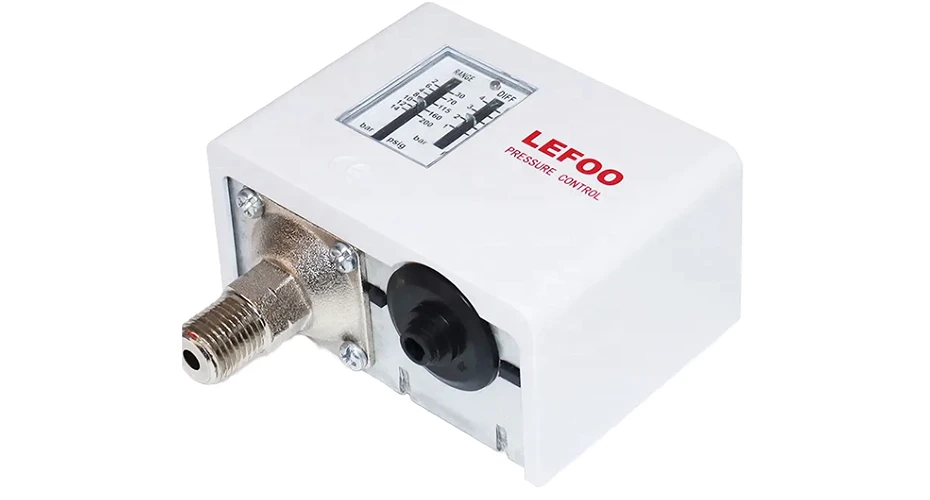
Introduction to the LF55 Pressure Switch The LF55 pressure switch is a critical component in modern industrial systems, designed to monitor and control pressure levels with high precision. Developed by Hebei JIRS Import & Export Co., Ltd. , this device ensures safety and efficiency in applications ranging from hydraulic systems to pump operations. The LF55 is engineered to meet international stand
